





Do You Need Glasses? Signs and Symptoms to Watch For
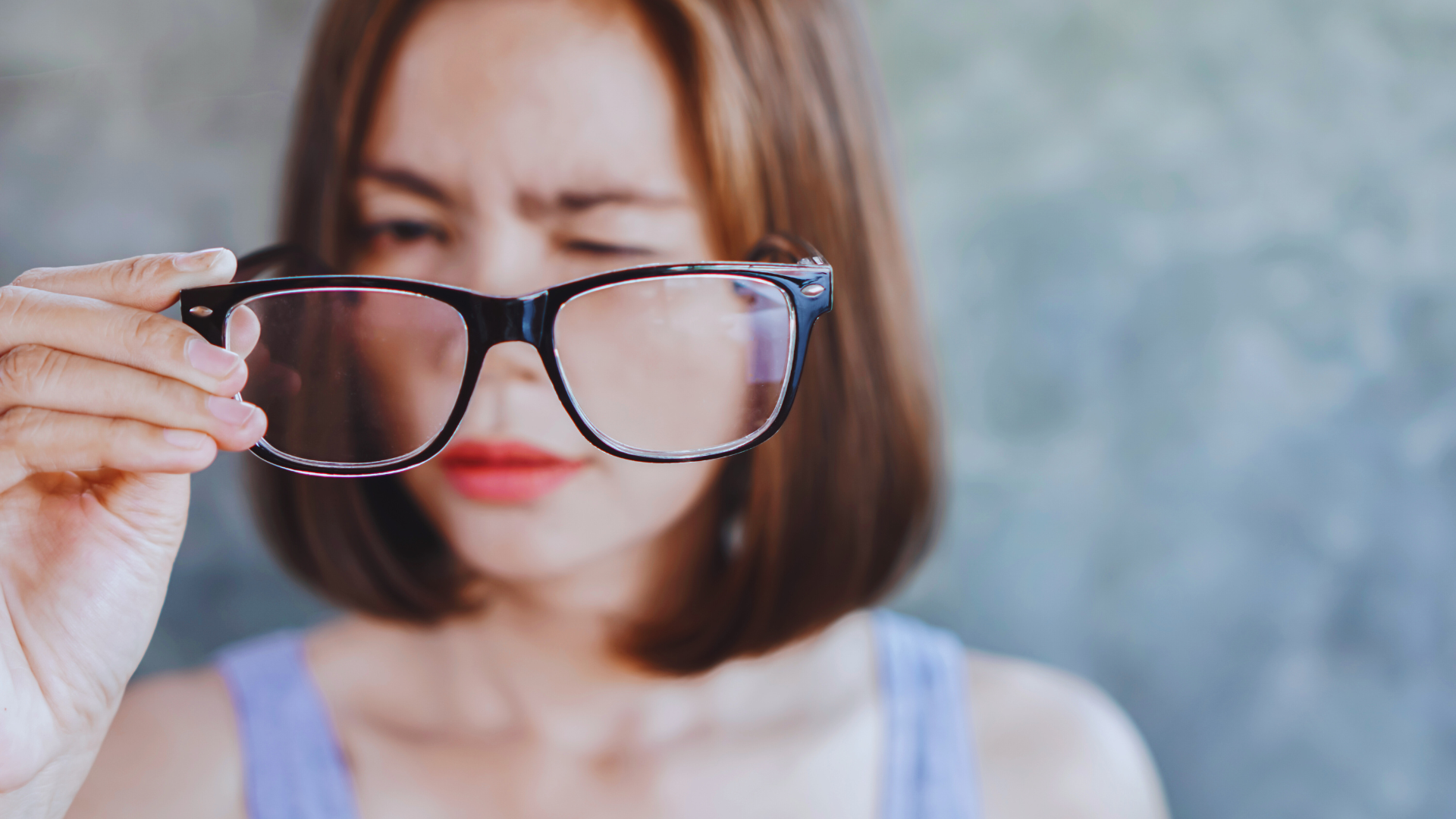
Many people question whether they need glasses as they notice changes in their vision. A simple eye exam can determine if glasses are necessary, and many individuals find they do need them to see clearly. Common signs include frequent squinting, blurred vision, or difficulty reading small print.
Understanding the basic signs of vision problems can significantly impact one’s quality of life. Detecting the need for glasses early can prevent further strain on the eyes and enhance daily activities.
By recognizing the signs and consulting with an eye care professional, individuals can take the necessary steps to improve their vision and overall comfort. Taking action can lead to clearer sight and a more enjoyable life.
Understanding Vision Impairment
Vision impairment can significantly affect daily life. Recognizing the signs and understanding common vision problems are crucial steps toward addressing potential issues.
Signs You May Need Vision Correction
Several indicators suggest a person might need vision correction or other eye care interventions. Frequent headaches, especially after reading or using screens, can be a sign of eye strain. Difficulty focusing on distant objects, especially during activities like driving, may also indicate the need for corrective lenses.
Other symptoms include squinting while trying to see distant or near objects, and a tendency to experience blurred or hazy vision. If someone finds themselves holding reading materials at arm’s length in order to see clearly, this can suggest farsightedness.
In addition, feeling tired after visual tasks can signal that the eyes are overworking. If these signs are present, it may be beneficial to consult an eye care professional.
You might be prescribed glasses to correct common issues like nearsightedness or farsightedness. If you seek a more permanent solution, LASIK surgery may be recommended to reshape the cornea and improve vision.
In cases where LASIK isn’t suitable (for instance, if you have thin corneas), an alternative like refractive lens exchange (RLE) might be advised for long-term correction. You can get RLE available in Houston (or in any other location), which can offer long-lasting vision correction, reduce dependence on glasses, and eliminate the risk of future cataracts.
Common Vision Problems
Various vision problems can necessitate the use of glasses. Myopia (nearsightedness) is when distant objects appear blurry, while near vision remains clear. Conversely, hyperopia (farsightedness) results in difficulty focusing on close objects.
Astigmatism causes overall blurred vision due to an irregularly shaped cornea or lens. Presbyopia is a natural age-related condition where the ability to see close objects diminishes, often noticed after age 40.
In addition to these issues, conditions like cataracts and glaucoma can also impact vision. Regular eye exams help in early detection and accurate diagnosis of these problems, ensuring timely intervention to maintain eye health.
Types of Corrective Lenses
Corrective lenses are essential for many individuals needing visual aid. Different types cater to specific vision problems, providing tailored solutions for better sight.
Single Vision Lenses
Single-vision lenses are designed for one field of vision. They are typically used for nearsightedness or farsightedness. These lenses offer a uniform prescription across the entire surface.
- Usage: Ideal for those who require vision correction at a single distance, either for reading or distance viewing.
- Prescriptions: They are often prescribed after a comprehensive eye exam.
Single-vision lenses are popular due to their simplicity and effectiveness. They also come in various materials, including plastic, polycarbonate, and high-index options, which cater to specific lifestyle needs.
Multifocal Lenses
Multifocal lenses accommodate different vision needs within one lens. These include bifocal and progressive lenses, which allow seamless transitions between various focal points.
- Bifocal Lenses: Have distinct sections for near and distance vision. The lower part is for reading, while the upper part is for distance.
- Progressive Lenses: Offer a gradual transition without visible lines between prescriptions. They allow for clear vision at all distances.
Multifocal lenses are suitable for individuals suffering from presbyopia, a common condition with age that affects near vision. Their design supports a natural viewing experience.
Lens Coatings and Treatments
Lens coatings enhance the functionality and durability of corrective lenses. Various treatments aim to improve user experience and lens longevity.
- Anti-Reflective Coating: Reduces glare from screens and bright lights, making them easier to wear in diverse conditions.
- Scratch-Resistant Coating: Increases lens durability, protecting against everyday wear and tear.
- UV Protection: Shields the eyes from harmful ultraviolet rays, which can lead to long-term eye health issues.
These coatings cater to specific needs and preferences, enhancing overall vision correction. Individuals may consider them essential for day-to-day use and maintaining lens quality.
Eye Examinations
Regular eye examinations are essential for maintaining good vision and identifying potential issues early. Knowing what to expect during an eye exam can help individuals feel more comfortable and informed about the process.
What to Expect During an Eye Exam
During an eye exam, the optometrist will conduct a series of tests to assess visual acuity and overall eye health. The examination typically begins with a medical history review, where the patient discusses previous eye issues and any current symptoms.
Next, the eye chart test measures how well the patient can see at various distances. Additional tests may include a refraction assessment to determine the appropriate lens prescription, and a dilated eye exam to inspect the retina and optic nerve for signs of disease.
Patients should be prepared for some discomfort from the dilation drops and will need to wear sunglasses afterward due to increased sensitivity to light. The entire process generally takes 30 to 60 minutes.
Importance of Regular Eye Check-Ups
Regular eye check-ups are crucial for detecting conditions such as glaucoma, cataracts, or macular degeneration early. Many eye diseases progress without noticeable symptoms, making routine exams vital for prevention.
The American Optometric Association recommends scheduling an eye exam every one to two years, depending on age and risk factors. For instance, individuals over 60 or those with a family history of eye diseases may need more frequent evaluations.
Additionally, eye exams can update prescriptions for glasses or contact lenses, ensuring optimal vision correction. These check-ups not only benefit visual health but also contribute to overall well-being, as numerous systemic conditions can manifest through eye symptoms.
Choosing the Right Glasses
Choosing the right pair of glasses is all about finding frames that suit your face shape and materials that match your lifestyle and comfort. It helps to visit trusted places like Optica Optometry, where you can explore a variety of options, get professional guidance, and pick a style that truly works for you and your needs.
Frame Styles and Face Shape
Choosing a frame style should consider face shape for optimal appearance and comfort. Common face shapes include oval, round, square, heart, and diamond.
- Oval: This shape suits various styles. Rectangular and square frames add balance.
- Round: To elongate the face, opt for angular frames like rectangular or geometric shapes.
- Square: Round or oval frames soften angular features and provide contrast.
- Heart: Light-colored, wider frames balance a narrow chin.
To find the right fit, it is crucial to try different styles and assess how they affect one’s overall look. Additionally, considering personal style and lifestyle needs will help ensure satisfaction with the final choice.
Selecting the Right Material
The choice of material impacts comfort, durability, and aesthetics in glasses. Common materials include plastic, metal, and titanium.
- Plastic: Lightweight and available in various colors, plastic frames are budget-friendly. They may not be as durable as other materials.
- Metal: Known for their sleek appearance, metal frames offer durability. Stainless steel and aluminum are popular choices for their strength.
- Titanium: Exceptionally strong and lightweight, titanium is hypoallergenic and suitable for sensitive skin.
Ultimately, selecting a material that aligns with one’s daily activities is essential. The right material choice enhances comfort and longevity, making the glasses a reliable accessory.
Lifestyle and Vision Needs
Individuals often require different types of eyewear based on their daily activities. Understanding specific vision needs related to lifestyle can help in making informed decisions about eyewear.
Glasses for Digital Screen Use
Many people spend significant time in front of digital screens. This can lead to digital eye strain, characterized by symptoms like dryness, irritation, and blurred vision.
Blue light filtering glasses can reduce exposure to blue light from devices, potentially alleviating discomfort. These glasses often feature specialized coatings designed to block harmful rays.
Regular anti-reflective coatings also enhance visual clarity, particularly in low-light conditions associated with nighttime screen use.
It’s essential to consider prescription updates for those who experience ongoing discomfort. Frequent visual tasks may necessitate different prescriptions for reading, working, or watching screens.
Sports Eyewear
For active individuals, appropriate eyewear can enhance performance and provide protection. Sports eyewear is designed to offer features that standard glasses may not, such as enhanced durability and impact resistance.
Specific designs cater to various sports. For instance, sunglasses with polarized lenses help reduce glare, benefiting outdoor sports enthusiasts. Additionally, wrap-around styles can prevent damage from wind and debris during activities like cycling or running.
Consulting with an optometrist ensures that the eyewear fits well and suits the required activities. Proper eyewear not only improves vision but also enhances safety during sports and outdoor activities.
Taking Care of Your Glasses
Proper care of glasses ensures optimal performance and longevity. Attention to cleaning and maintenance as well as repair and replacement is essential for anyone who relies on corrective eyewear.
Cleaning and Maintenance
Regular cleaning of glasses prevents buildup and enhances clarity. For regular maintenance, users should follow these steps:
- Use a Microfiber Cloth: Always use a microfiber cloth to clean lenses. Other materials may scratch the surface.
- Gentle Cleaning Solutions: Opt for lens-specific cleaning solutions. Avoid household cleaners that can damage coatings.
- Rinse with Water: Rinse lenses with lukewarm water before wiping. This removes dust and reduces the risk of scratches.
- Avoid Using Bare Hands: Fingerprints and oils from hands can impair vision. Users should minimize contact with lenses.
Storing glasses in a hard case when not in use prevents damage. Additionally, periodically check the screws and hinges to ensure they remain tight.
Repair and Replacement
Knowing when to repair or replace glasses is crucial for maintaining vision clarity. Common issues include:
- Loose Hinges: Regularly check and tighten screws. If hinges are damaged, professional repair is advisable.
- Scratched Lenses: Minor scratches may be buffed out, but deep scratches typically require lens replacement.
- Frame Damage: Frames with significant bends or breaks may need adjusting or replacement.
It is beneficial for users to consider replacing glasses every two years, or more frequently if prescriptions change. This ensures optimal vision correction and comfort.
When to Consider Contact Lenses
Individuals may consider contact lenses for several reasons. They offer freedom from the limitations of glasses, such as fogging or distortion.
Lifestyle Factors:
- Active Lifestyle: For sports or physical activities, contacts provide a secure fit and unobstructed vision.
- Aesthetic Preferences: Some prefer the look of contacts over glasses for cosmetic reasons.
Vision Correction Needs:
- Prescription Variations: Contacts may be more effective for certain vision problems, such as astigmatism.
- Field of Vision: Contacts conform to the curvature of the eye, providing a wider field of vision.
Practical Considerations:
- Weather Conditions: Contacts are less affected by rain or snow compared to glasses.
- Convenience: They are oftentimes easier to manage on the go, especially for people who travel frequently.
Consultation Recommended:
It is essential to consult with an eye care professional. They can assess eye health and determine if contacts are suitable.
Additionally, they will provide guidance on proper care and maintenance to ensure comfort and safety.
Surgical Options for Vision Correction
Surgical options for vision correction include several procedures that can reduce or eliminate the need for glasses or contact lenses. The most common types are LASIK, PRK, and lens implants.
LASIK (Laser-Assisted In Situ Keratomileusis) is a popular procedure. A laser reshapes the cornea, allowing light to focus correctly on the retina. Recovery is typically quick, with many patients experiencing improved vision within a day. It is essential that you continue with LASIK eye care Boise services, or services within your area, to help you stay on top of your recovery and ensure that your eyes are working to their optimum.
PRK (Photorefractive Keratectomy) also involves laser treatment of the cornea. Unlike LASIK, PRK removes the outer layer of the cornea, which then regenerates. This option may be better for individuals with thinner corneas.
Lens Implants are another option. This involves replacing the natural lens with an artificial one. This procedure can offer solutions for those looking for long-term vision correction with its reversible lens implants, for more flexible options.
This reversibility can be beneficial and appealing to those who have concerns about making permanent changes to their eyes. Moreover, there are multifocal and accommodating lenses designed to improve focus at multiple distances.
Considerations for surgical options include:
- Eligibility: Eye health and prescription history play a crucial role.
- Risks: Potential side effects or complications can occur.
- Cost: Insurance coverage varies, and procedures can be expensive.
Individuals should consult with a qualified eye care professional to determine the best option. Surgical options offer effective solutions, but careful consideration and professional guidance are essential for successful outcomes.