




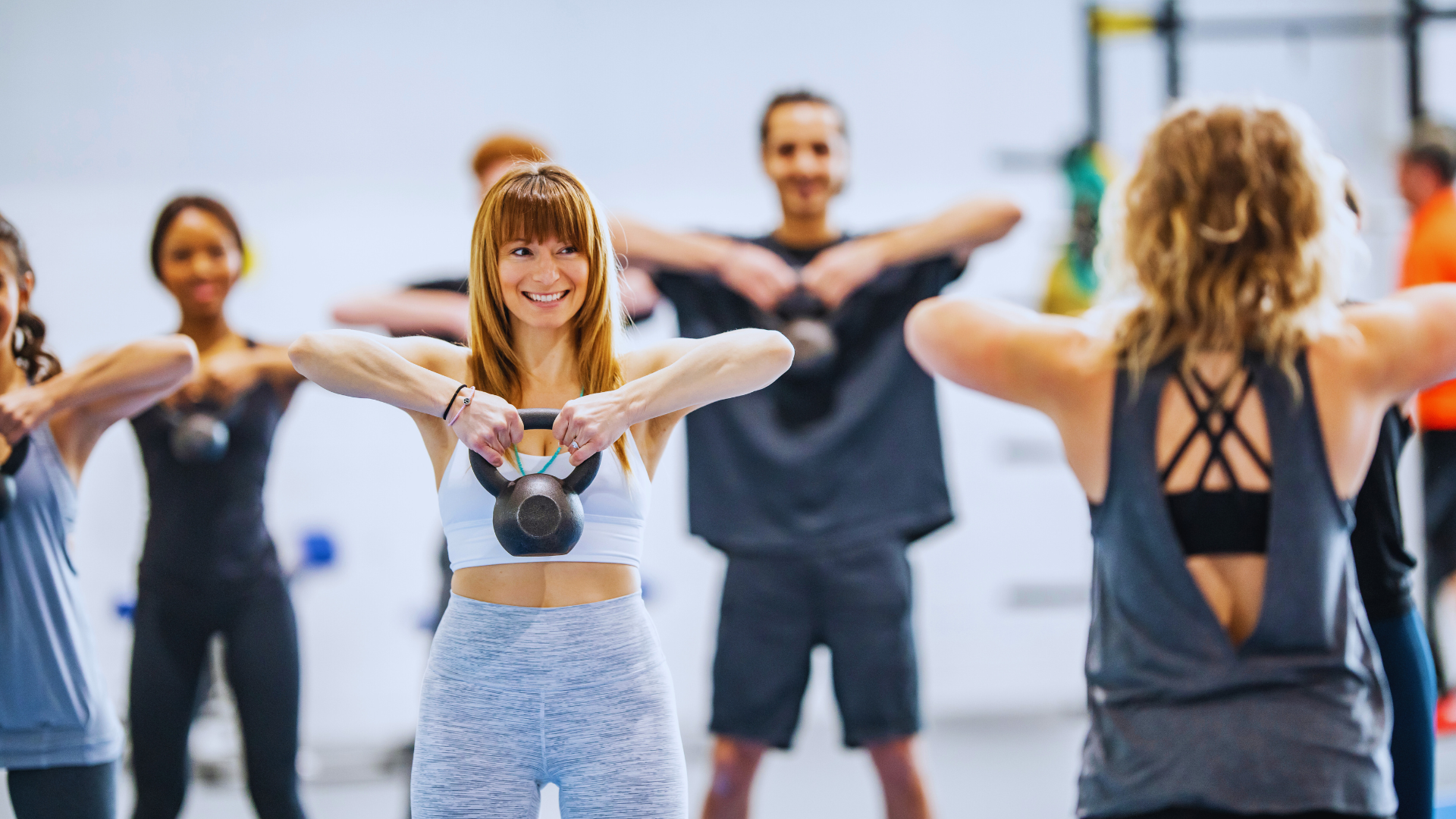

Benefits of Strength Training for Women Over 30: Empowering Health and Wellness Through Exercise
Women over 30 often face unique challenges as they navigate various life stages, including hormonal changes, busy schedules, and increased responsibilities. Strength training can significantly enhance their physical and mental well-being, providing benefits that extend far beyond aesthetics. By incorporating resistance exercises into their routine, women can improve muscle mass, boost metabolism, and enhance bone density, which is crucial for preventing osteoporosis.
In addition to the physical advantages, strength training offers mental health benefits. It has been linked to improved mood, reduced anxiety, and increased confidence. For women in their thirties and beyond, this type of exercise fosters resilience and empowerment, allowing them to tackle challenges in both fitness and daily life effectively.
Furthermore, the flexibility of strength training makes it accessible for various fitness levels and preferences. Whether using free weights, resistance bands, or bodyweight exercises, women can tailor their workouts to fit their lifestyles. Embracing strength training not only promotes healthier aging but also inspires a sense of accomplishment and community among women.
Key Health Benefits of Strength Training for Women Over 30
Strength training offers a variety of health benefits tailored for women over 30, focusing on improving muscle mass, enhancing bone density, boosting metabolism, and supporting longevity. Engaging in regular strength workouts can significantly impact overall well-being and health outcomes during this life stage.
Enhancing Muscle Mass and Body Composition
Strength training is crucial for enhancing muscle mass, particularly as women age. After 30, muscle mass naturally declines due to hormonal changes and decreasing physical activity. Engaging in regular muscle-strengthening exercises can help counteract this loss.
Increased muscle mass improves body composition, resulting in a higher muscle-to-fat ratio. This shift not only boosts appearance but also enhances physical performance in daily activities. Ultimately, maintaining muscle mass helps improve strength and functional abilities, making everyday tasks easier and promoting independence.
Improving Bone Density and Preventing Osteoporosis
Bone density often decreases in women after 30, placing them at risk for osteoporosis and related fractures. Strength training effectively improves bone density by promoting bone remodeling and stimulating growth.
Lifting weights applies stress to bones, encouraging them to become denser and stronger. Women who participate in consistent strength workouts can significantly reduce their risk of fractures compared to those who don’t. By prioritizing bone health through resistance exercise, women set the foundation for stronger bones throughout their lives.
Boosting Metabolism and Supporting Weight Management
Metabolic rate tends to decline with age, often resulting in weight gain if dietary habits remain unchanged. Strength training can help increase resting metabolic rate, allowing the body to burn more calories even at rest.
As muscle mass increases, the body requires more energy for maintenance. This effect can aid in weight management, making it easier to maintain a healthy weight over time. Incorporating strength exercises into a fitness routine supports healthier body composition while promoting sustainable weight loss and preventing metabolic syndrome.
Increasing Longevity and Reducing Disease Risk
Regular engagement in strength training can positively influence longevity and lower the risk of chronic diseases. Research indicates that women who train regularly experience improved cardiovascular health, reduced blood pressure, and healthier blood sugar levels.
These factors collectively help mitigate risks associated with metabolic syndrome, heart disease, and type 2 diabetes. Stronger women enjoy better health outcomes, contributing to a longer, healthier life with enhanced quality of living. Embracing strength training fosters a proactive approach to health as women age.
Strength Training and Overall Well-Being
Strength training contributes significantly to women’s health after 30, addressing both physical and mental well-being. It can enhance various aspects of metabolic processes, mental health, and physical functionality.
Enhancing Insulin Sensitivity and Blood Pressure
Strength training improves insulin sensitivity, which is crucial in preventing metabolic syndrome. Higher insulin sensitivity allows the body to use glucose more effectively, reducing the risk of type 2 diabetes.
Regular strength training also helps to lower blood pressure. Research indicates that engaging in resistance exercises can lead to improved vascular function, keeping blood pressure within a healthier range.
Targeted exercises, such as squats and deadlifts, can be particularly beneficial. These movements engage multiple muscle groups, promoting better glucose metabolism and overall cardiovascular health.
Promoting Mental Health and Reducing Depression
Strength training can positively impact mental health by reducing symptoms of depression. Studies show that resistance training releases endorphins, which enhance mood and promote feelings of well-being.
Additionally, participants often report improved sleep quality after regular training sessions. Better sleep contributes to enhanced cognitive function, leading to lower stress levels.
Incorporating strength routines can provide a sense of achievement, further boosting self-esteem and mental resilience. This enhanced mental state encourages an active lifestyle, countering the tendency to disengage during challenging times.
Improving Balance, Flexibility, and Functional Movement
Strength training plays a vital role in enhancing balance and flexibility. As women age, muscle mass and coordination can decline, leading to increased fall risk.
Exercises such as lunges and stability ball workouts help build core strength, improving balance. Stronger muscles support joints and facilitate greater flexibility, which is essential for everyday activities.
Functional movements learned through strength training translate into real-world applications, enabling easier navigation of tasks at home or during recreational activities. Maintaining functional fitness is crucial for independence as one ages.
Popular Strength Training Methods and Approaches
Various strength training methods can effectively enhance muscle strength and overall fitness for women over 30. These approaches include resistance training with free weights, bodyweight exercises, and supplemental practices like yoga and Pilates.
Resistance Training: Free Weights, Dumbbells, and Bands
Resistance training emphasizes muscle-strengthening exercises. Free weights, such as barbells and dumbbells, allow for a broad range of motion and the ability to target specific muscle groups. Using dumbbells can help improve balance and coordination.
Resistance bands offer flexibility and portability, making them ideal for home workouts. They can be used to increase resistance as strength improves. Each method contributes to building lean muscle mass, which is vital for boosting metabolism and supporting bone health.
Incorporating Bodyweight Exercises and Machine Workouts
Bodyweight exercises utilize one’s own weight as resistance, which can include squats, push-ups, and lunges. These exercises focus on functional strength, improving both stability and endurance. They require no additional equipment, making them accessible.
Machine workouts in gyms provide guided support for various exercises. They meticulously isolate muscle groups, which is beneficial for beginners or those recovering from injuries. Combining bodyweight movements with machine workouts can lead to a well-rounded strength training regimen.
Supplemental Practices: Yoga and Pilates
Yoga and Pilates serve as excellent supplemental practices to traditional strength training. Yoga enhances flexibility, balance, and core strength. Specific poses incorporate resistance through body weight, which complements other forms of training.
Pilates emphasizes core stability and controlled movements, targeting deep muscles often neglected in conventional workouts. Both practices contribute to improved posture and overall body awareness, enhancing the effectiveness of strength training methods.